Hardwood Floor Repair vs. Replacement: What Homeowners Should Consider
Deciding whether to repair or replace damaged hardwood floors is one of the most common questions homeowners face, and understanding the difference can save both money and time. Hardwood floor repair is often the smarter, less disruptive choice, but only when the damage fits certain conditions. This article walks through the key factors that help you make the right call for your home.
Signs That Hardwood Floor Repair Is the Right Choice
Hardwood floor repair is often the right move when the damage is surface-level and limited in scope. Scratches, small dents, minor gaps between boards, and isolated staining can typically be addressed without pulling up the entire floor.
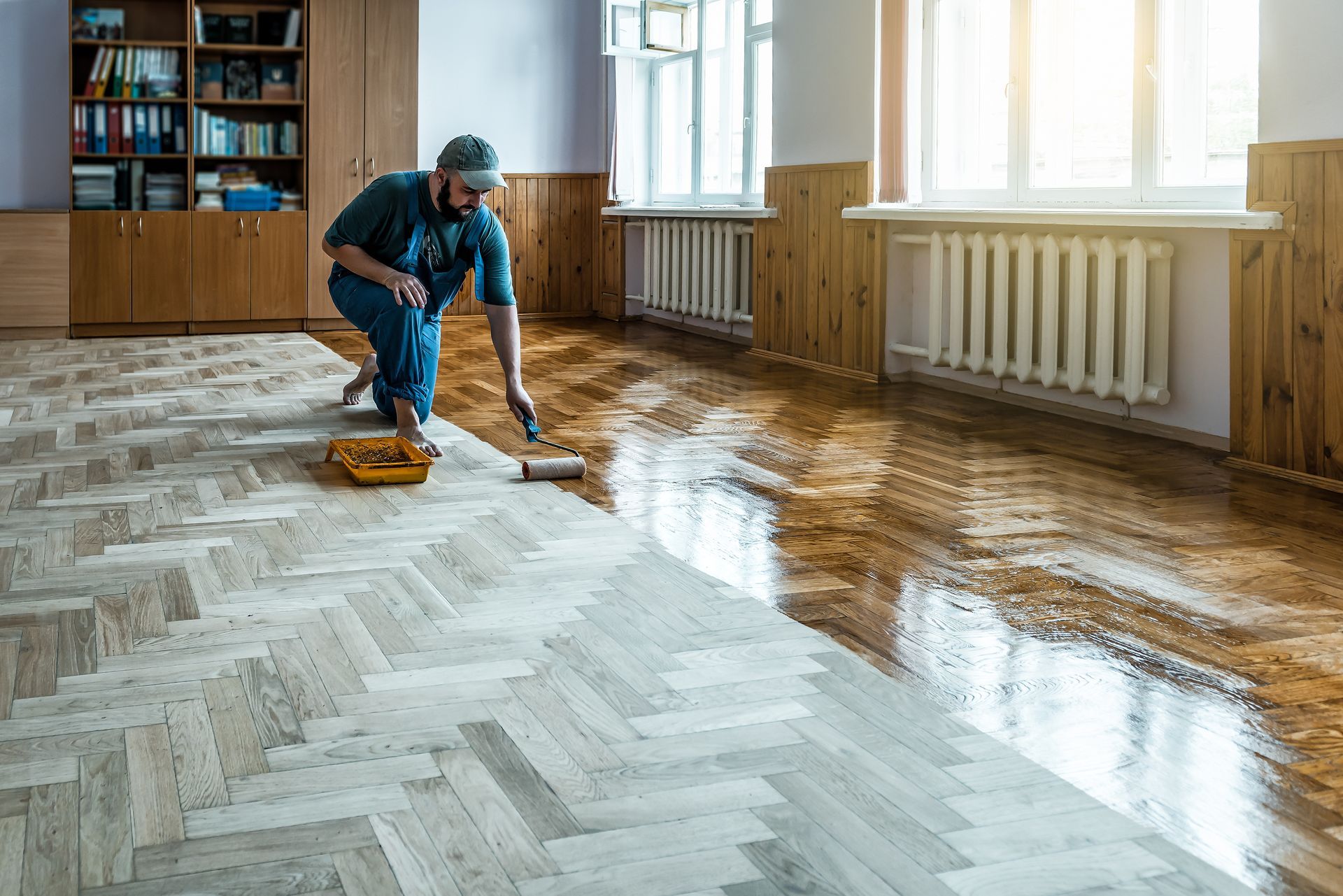
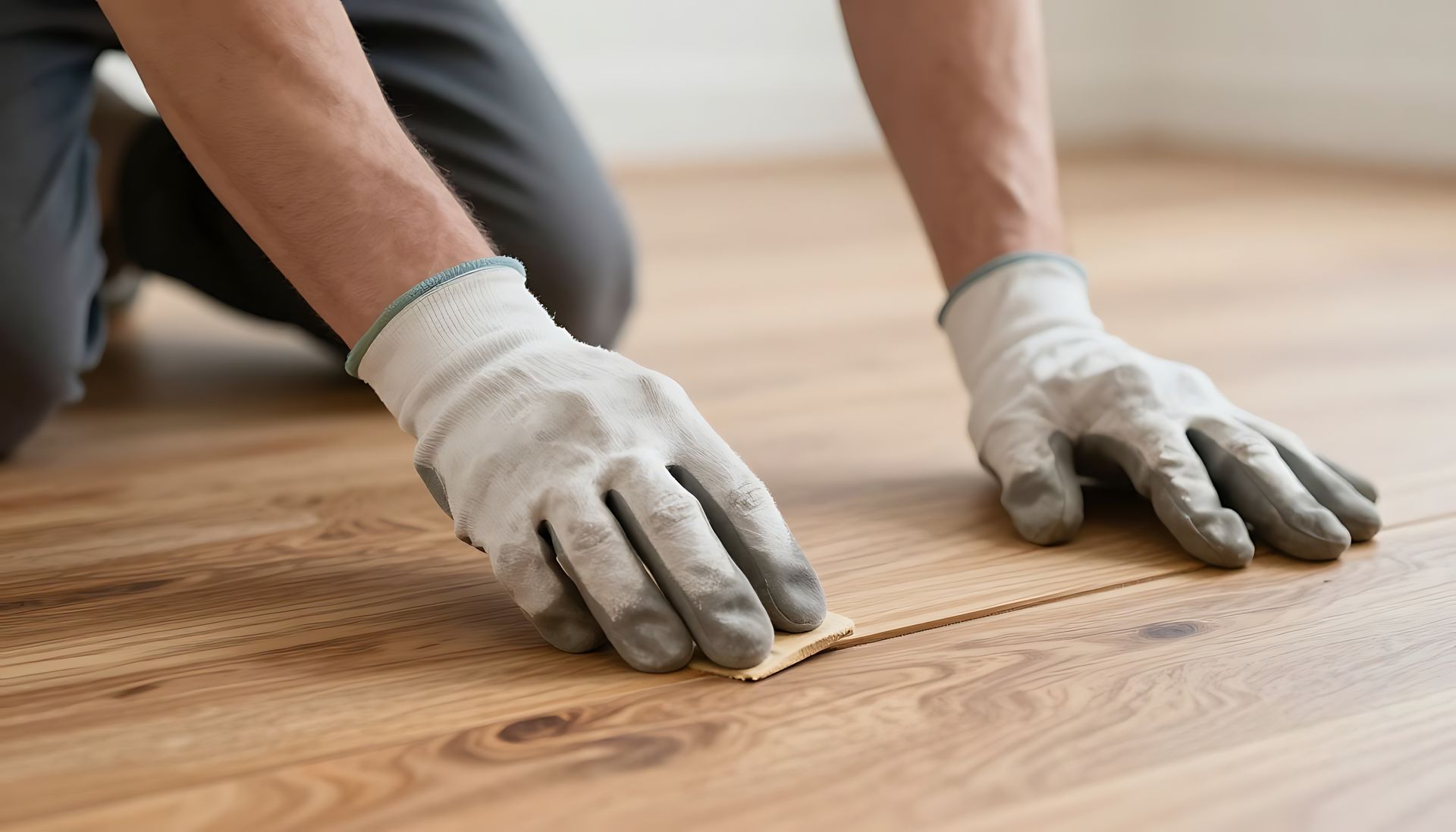
Surface scratches are one of the most common issues homeowners in Southwest Michigan encounter. Normal foot traffic, pets, and furniture movement all leave marks over time. A professional can screen, buff, or spot-refinish affected areas to blend them back into the surrounding floor. The result can look nearly seamless when done by an experienced hand.
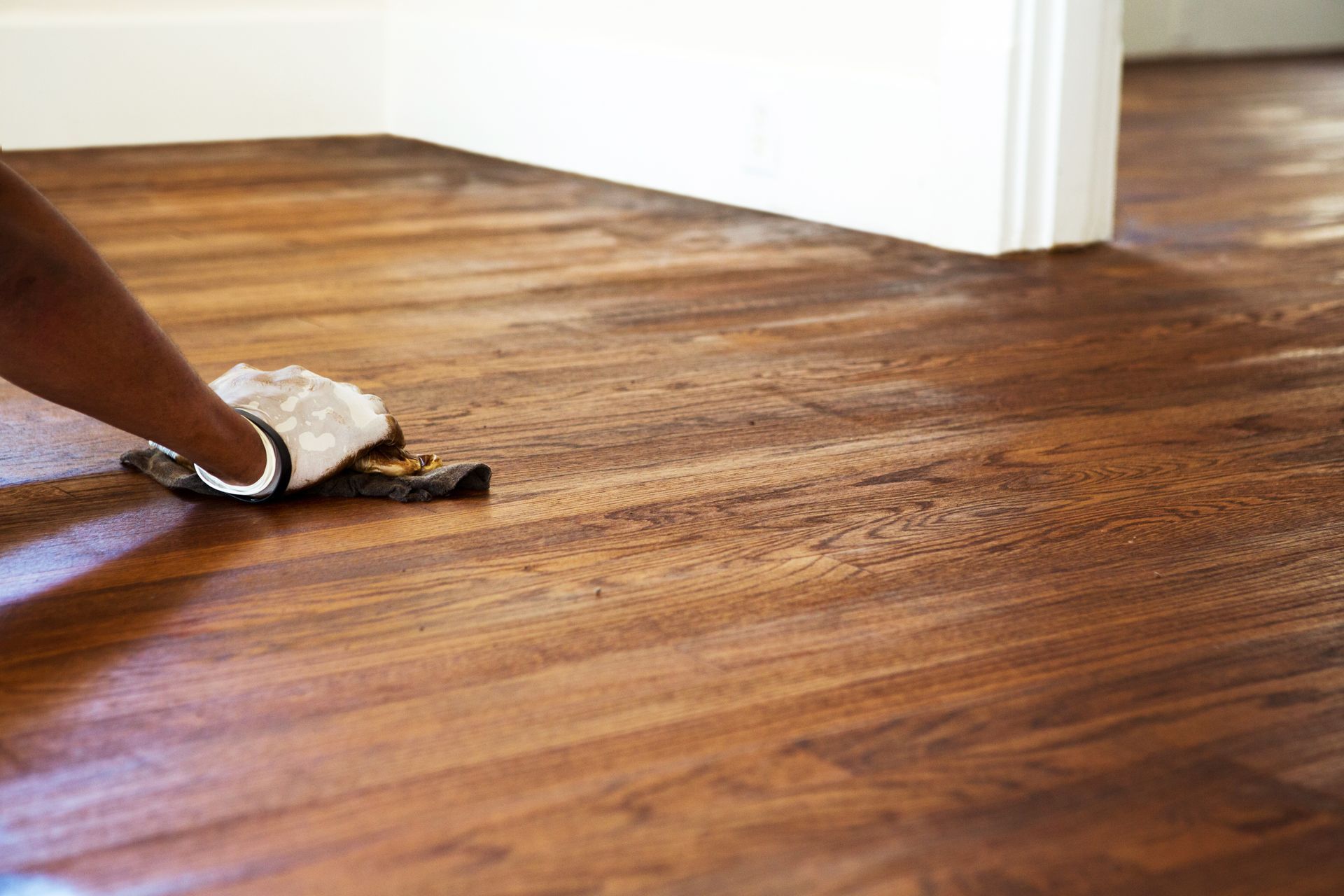
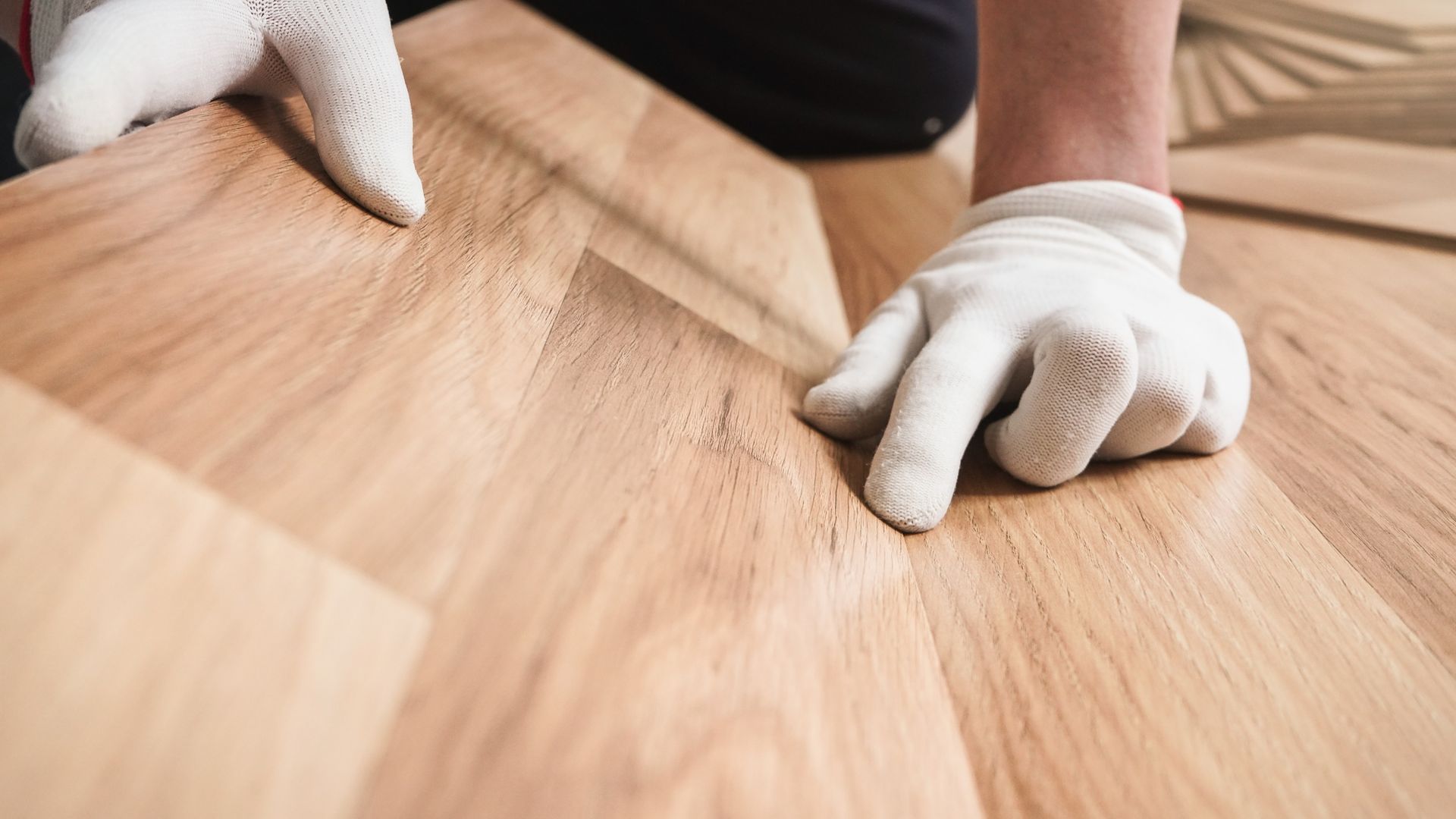
Minor water damage is another situation where wood floor repair may be enough. If water reached only a few boards and the subfloor beneath is still solid, those boards can sometimes be replaced individually and refinished to match the rest. Acting quickly after a spill or small leak often means the difference between a targeted repair and a full replacement.
Gaps between boards are common in Kalamazoo, MI, area homes due to the region's wide seasonal humidity swings. Dry winters cause wood to contract, and humid summers cause it to expand. In many cases, this movement is normal and gaps close back up on their own. A flooring professional can assess whether gaps are seasonal or structural before recommending any fix.
When Should You Consider Full Floor Replacement?
Replacement is typically necessary when damage goes beyond the surface and affects the structural integrity of the floor. Several signs point in that direction.
Severe cupping, where board edges rise higher than the center, often signals that moisture has penetrated the wood and the subfloor below. If cupping is widespread and the boards have been wet for an extended period, the wood fibers may be permanently compromised. Hardwood floor repair may stabilize isolated boards, but widespread cupping across a room often calls for replacement.
Structural damage to the subfloor is a clear signal that repair alone will not be enough. If boards flex, feel soft underfoot, or make pronounced squeaking sounds even after standard repair attempts, the issue may lie beneath the hardwood itself. Replacing the floor without addressing the subfloor will only delay the problem.
Deep gouges, extensive rot, and boards that have been sanded down too many times also point toward replacement. Solid hardwood can only be sanded a limited number of times before it becomes too thin to refinish again. A flooring specialist can measure the remaining wood thickness and let you know if the floor has any refinishing life left in it.
The Species and Finish Matching Challenge in Older Homes
A practical factor that belongs in the repair-or-replace decision, and that often gets overlooked, is how difficult it can be to match existing wood species and finishes, especially in older Kalamazoo homes.
Many homes built in the mid-20th century feature red oak, white oak, or maple flooring with stains and finish formulas that are no longer standard. When only a section of the floor needs hardwood floor repair or replacement, getting a seamless match can be tricky. The color of wood changes with age and light exposure, and a freshly sanded patch can look noticeably different next to the original floor at first.
An experienced flooring professional may be able to blend a custom stain to narrow the gap, though a perfect match is not always possible, especially on very old or unusual species. This is a reason why partial repairs sometimes lead homeowners toward full replacement, to achieve a uniform look throughout the space. Discussing this honestly during a consultation is important before any work begins.
How to Get an Honest Assessment
The most reliable way to decide between repair and replacement is to have a qualified flooring professional inspect the floor in person. Photos and descriptions can only reveal so much. A hands-on evaluation will check board thickness, subfloor condition, moisture levels, and the extent of visible damage.
When you meet with a contractor, ask them to explain what they find and why they are recommending hardwood floor repair versus replacement. A trustworthy professional will walk you through the options without steering you toward the more expensive path when it is not necessary. For hardwood floor repair serving Kalamazoo, MI, and the surrounding Southwest Michigan area, getting a straightforward assessment from a local expert is the best first step.
It also helps to ask about the expected lifespan of a repair versus a new installation, and whether the species and finish can be matched to your satisfaction. Those answers will give you the clearest picture of which path makes more sense for your home and your budget.
Making the Call With Confidence
Once a qualified professional has weighed in, the choice between repair and replacement usually comes down to the same handful of factors covered above. Repairs may handle scratches, gaps, and localized water damage effectively. Replacement tends to be the answer when structural damage, severe cupping, or repeated refinishing has pushed a floor past its limit.
Greg Nichols Wood Flooring Inc. has been serving homeowners across Southwest Michigan since 1978, offering repair, refinishing, and installation with honest assessments and competitive pricing. If you are not sure which direction your floors need to go, contact us to request a free estimate and get a clear answer.